
How Often to Sealcoat a Driveway: What Sets It
Stoutwell Paving · September 29, 2026 · 5 min read
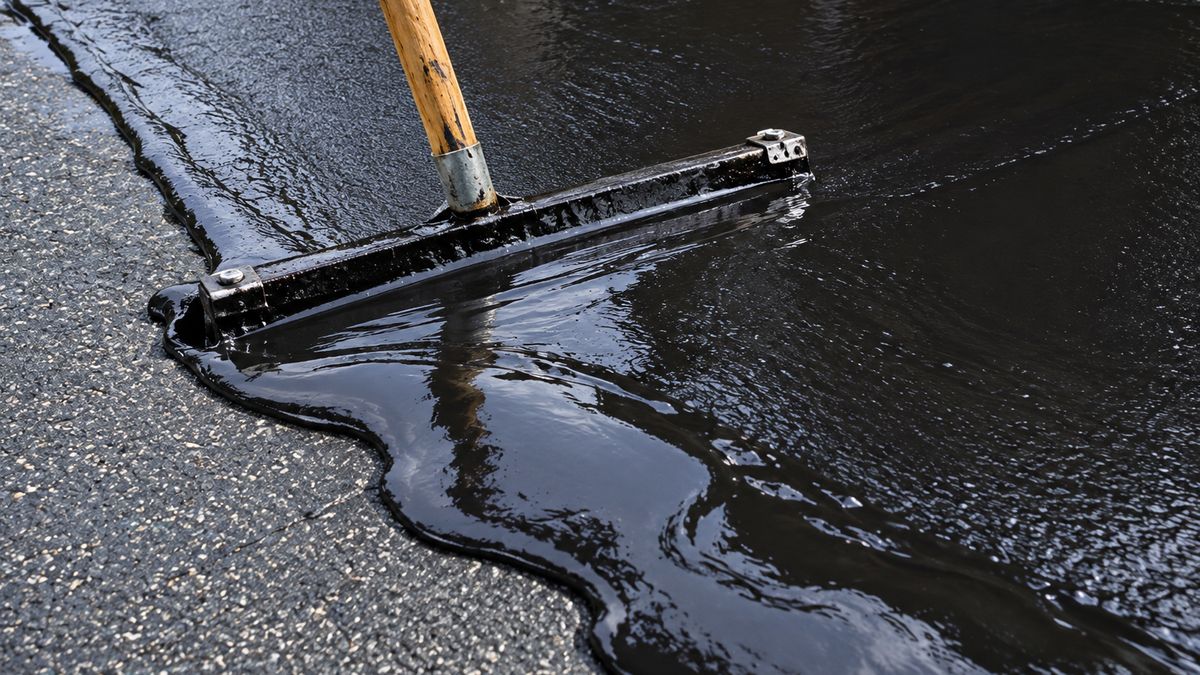
Resealing a driveway every 2 to 5 years is the most common advice, and about every 3 years is a frequent recommendation. Extreme heat or cold pushes a driveway toward the short end, and the Asphalt Institute says to seal once the distresses it lists appear. No one interval fits every driveway, so below we show what sets the interval for yours.
How often should a driveway be resealed?
The answer depends on the driveway’s situation. Here is the typical interval for each case.
| Situation | Typical interval | What it rests on |
|---|---|---|
| Reseal, most driveways | every 2 to 5 years, often about every 3 | sealer quality, coats, amount applied, traffic and climate |
| Reseal where extreme heat or cold is the concern | toward the short end of the range | climate, sun and the sealer type |
| Surface showing wear | as soon as the wear appears | Asphalt Institute: dry, brittle surface, small cracks and voids, raveling |
| First seal on a new, well-built driveway | about 2 to 5 years after paving | Asphalt Institute, for low-traffic pavements |
| Before any first seal | at least 30 to 60 days after paving | the time fresh asphalt needs to cure |
The short end of the range suits a driveway that sees extreme heat or cold or heavy daily traffic. The long end suits a lightly used driveway sealed with a quality product, applied at the right rate.
Every reseal is a new application priced by the square foot. Sealcoating typically costs $0.88 to $2.10 per square foot, and our guide to what sealcoating costs per reseal explains what moves that range.
Why the interval varies
The spread between every 2 years and every 5 has several ordinary causes.
The factors differ from driveway to driveway. Six of them affect how often to seal: the quality of the sealer, the mix design, the number of coats, the amount of material applied, the daily traffic and the geographic area. None can be read off a single average.
Climate moves the advice. A mild climate allows a longer gap between coats, and extreme heat or cold shortens it. How much sun the driveway gets and the sealer type matter as well.
Some advice covers more than a driveway. Some sealer guidance is written for parking lots and driveways together, so its interval is not tuned to a driveway alone.
A first seal is a different question from a reseal. For a new driveway, the Asphalt Institute says a well-designed, low-traffic pavement should not need sealing for approximately 2 to 5 years, depending on the severity of the climate and the quality of the original work. The common 2 to 5 year reseal interval is for an existing driveway. The numbers match; the questions do not. Fresh asphalt also needs at least 30 to 60 days to cure before any sealer goes on, a wait explained in our guide to how long new asphalt takes to cure.
Signs a driveway may be due for sealing
The Asphalt Institute names three conditions that sealing addresses. Sealing renews an old asphalt surface that has become dry and brittle with age, seals small surface cracks and surface voids, and inhibits raveling, which is the loss of surface aggregate. Its advice is that sealing should be done as soon as any of these distresses are noted.
A site visit confirms what your surface shows.
Sealing is a surface treatment. Damage that sealing does not address raises a different decision, covered in the guide to overlay or replacement for a failing driveway.
Can a driveway be sealed too heavily?
Yes. The Asphalt Institute says excess application must be avoided because it may cause pick-up on shoes or tires, and that vehicles should stay off the seal until it has been absorbed into the existing surface.
Two of the six factors are the number of coats and the amount of material applied. That makes both worth pinning down in writing before the work, since the warning above is about the amount applied.
Planning the first seal and the reseals after it
A new driveway follows a simple sequence. Cure first, for at least 30 to 60 days. Then a first seal roughly 2 to 5 years out for a well-built, low-traffic surface, per the Asphalt Institute. After that, reseals on whatever interval the driveway, the sealer’s maker and the climate support.
Questions to settle before a date is booked, beyond the ones a price comparison already raises:
- Which reseal interval does the maker of the sealer you plan to use recommend?
- How much material per coat does the product specification call for?
- Which of the Asphalt Institute’s distresses do you see on the surface, if any?
The right driveway depends on the soil and base, the drainage, local permit rules and the weather when the asphalt goes down. Requirements vary by site, scope and jurisdiction; the city or county permit office and an on-site inspection determine what applies.
Frequently Asked Questions
How often should a driveway be sealcoated?
Resealing every 2 to 5 years is the most common advice, often about every 3. Extreme heat or cold pushes a driveway toward the short end, and the condition of the surface decides it.
Is a first seal on the same schedule as a reseal?
No. The Asphalt Institute says a well-built, low-traffic driveway should not need a first seal for about 2 to 5 years. The common 2 to 5 year reseal interval is for an existing driveway, a different question.
What signs show a driveway may be due for sealing?
The Asphalt Institute names a surface gone dry and brittle with age, small surface cracks and voids, and raveling, the loss of surface aggregate. A site visit confirms it.
Can sealer be applied too heavily?
Yes. The Asphalt Institute says excess application must be avoided because it may cause pick-up on shoes or tires. The amount of material applied is also a factor in how often to sealcoat.
Get a written number for a reseal
What your driveway needs is settled on site. We sealcoat driveways, and our pricing page sets out parking lot prices. To ask about a reseal, request a free quote.
Ready for a Price on Your Property?
Guides give general ranges. Your free quote covers your own lot or driveway.
 Guides
ADA Parking Requirements: Stall Counts, Sizes and Signs
ADA parking requirements: how many accessible spaces a lot needs, their sizes, signs and aisles. We mark each ADA stall or symbol for $25 to $100. Request a free quote.
 Guides
How Often to Sealcoat a Parking Lot
Reseal a parking lot when the surface turns gray, rough or cracked, not on a calendar. Our sealing runs $0.15 to $0.30 per sq ft. Request a free quote.
Guides Parking Lot Line Painting and Stenciling
What parking lot line painting covers: stall lines, arrows, stencils, colors and paint vs thermoplastic. We repaint lines for $4 to $5 per stall. Request a free quote.
Ready for a Free Quote?
Get a free, no-obligation quote for your property.
Get Your Free QuoteOr call us directly: (919) 219-2946
Final scope, schedule, and pricing are confirmed after an on-site inspection and documented in the written project agreement.
Get a free quote for your lot
We seal, stripe and repair lots for churches, schools and shopping centers.