
Mission, TX Parking Lot Upkeep and Cost
Stoutwell Paving · October 17, 2026 · 5 min read
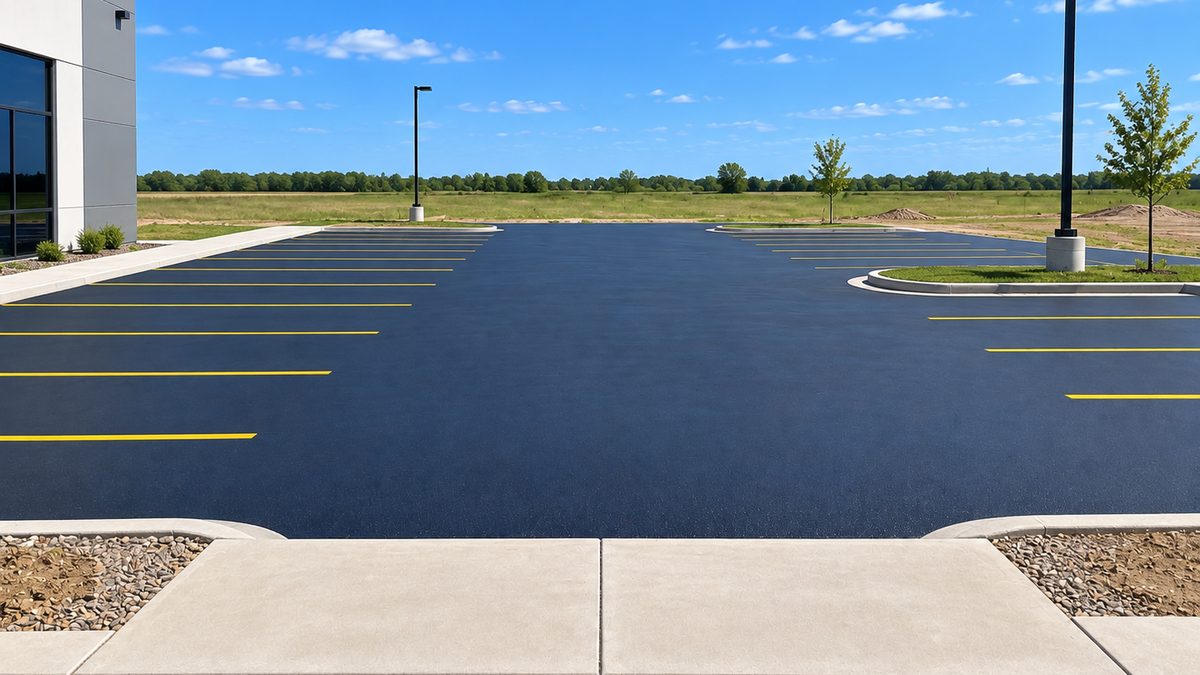
Around Mission, we seal commercial lots at $0.15 to $0.30 per square foot and restripe them at $4 to $5 per stall. How often yours needs either is set by the lot itself, by how worn the surface is, how heavy the traffic is and how much sun and storm water it has taken. We look at it and tell you where it stands. Stoutwell Paving seals, stripes and repairs lots across the Mission area for churches, schools, stores, warehouse yards and property managers.
What sealing and restriping cost in Mission
Picture a lot with 100 stalls and about 30,000 square feet. Sealing it costs $4,500 to $9,000, and repainting its stalls costs $400 to $500, before accessible stalls and any minimum charge. A sun-baked surface that needs more preparation lands toward the top of the range, and a clean, tight one toward the bottom.
Crack filling and patching are separate lines, so repairs are never folded into the seal. Every range is on the Mission pricing page. To put a figure on your own lot, request a free quote. It is free, and the on-site look is how it becomes final.
How often a Mission lot needs sealing
Here the weather that wears pavement is heat, not frost. Summers around McAllen are long and hot, and a freezing night is rare. Sun dries out the binder that holds the stone together, and the surface goes pale, rough and brittle. Then a summer storm drives rain into whatever has opened up. Rain arrives in hard bursts.
Because frost is not the main problem, cracks open slowly here. They still open. A seal does its job on a surface that is worn but sound: it blocks sun and water and brings the color back. Many owners come back to sealing every two to five years, and traffic and wear set the real gap.
Heat helps with timing. Winters are mild, so the temperature range sealer needs is rarely the limit. Rain is. Sealer needs a dry surface and about a day to set before cars return, so we plan around the forecast, and a wet week moves a date. Choosing the dry season for the biggest lots saves everyone a reschedule.
When the lines need repainting
Strong sun fades paint, and tires finish the job. The stalls beside the entrance, the arrows in the drive aisles and the crosswalk in front of the door go first. If a driver cannot tell where to stop, or an accessible stall has lost its symbol, the lot needs paint. Fire lane markings are on the same list.
Every seal means a restripe. Sealer covers the old paint, so we schedule new stall lines after the surface has set, and the quote shows both jobs. Accessible stalls and symbols are $25 to $100 each on top of the regular stalls.
Texas has its own accessibility standards, with a state rule for the signs and markings on accessible parking spaces. The state or the city decides what applies to a given lot, and we repaint accessible stalls, access aisles and symbols as part of a restripe. A new layout is quoted on its own.
What sealcoating does and does not fix
Sealer is a surface coat. It does not close a crack and it does not fill a hole. We fill cracks first, at $0.65 to $2.25 per linear foot, and patch potholes and broken edges at $2 to $12 per square foot, from a shallow surface patch to a rebuilt spot. Then the seal goes over sound pavement. Only the damaged areas are touched, so a lot with a good base is not torn up from edge to edge.
A failed base is different. Sunken areas, wide cracking and water that sits after every storm mean the problem is below the surface, and a seal will not hold it. That calls for a bigger project than the one we do, and we say so when we look. Repair, seal and stripe is our work, and it suits a great many lots.
Working around when your lot fills
Lots in Mission do not sit idle. Churches fill on Sunday, schools on class days, and retail along US-83 and warehouse yards through the working week. A property manager may have all three kinds. So the work is split into sections, with one part sealed and marked off while cars keep using the rest. The quote spells out closing times.
For a school, the summer break is the natural window, so stalls, bus lanes and drop-off loops are marked before classes start. A church can have its lot done on a weekday and open again by Sunday. Stores and warehouses get the busiest entrance last. If you look after several lots, ask for one calendar and a separate price for each.
Heat adds a second thing to plan around, because a dry stretch between storms is the moment sealer wants. Reading the parking lot sealcoating cost guide shows how a lot is measured, and the services page shows how each job is laid out.
Frequently asked questions
How often should I seal my parking lot in Mission?
Many owners come back to sealing every two to five years, with traffic and wear setting the real gap. It is not a promise. We look at your lot when we quote and tell you where it stands.
How often should a Mission lot be restriped?
When sun and tires have faded the stalls, arrows and accessible spaces enough that they are hard to read, and always after a seal, since sealer covers the old paint.
What are the downsides of seal coating?
A seal does not fix cracks, potholes or a failed base. We repair those first, and if the base is the problem we say so, because a bigger project than a seal is needed.
How long until cars can park on a sealed lot?
About a day, once the sealer has dried. We work in sections so a lot that must stay open can, and the quote notes when each section reopens.
Ready for a Price on Your Property?
Guides give general ranges. Your free quote covers your own lot or driveway.
 Guides
ADA Parking Requirements: Stall Counts, Sizes and Signs
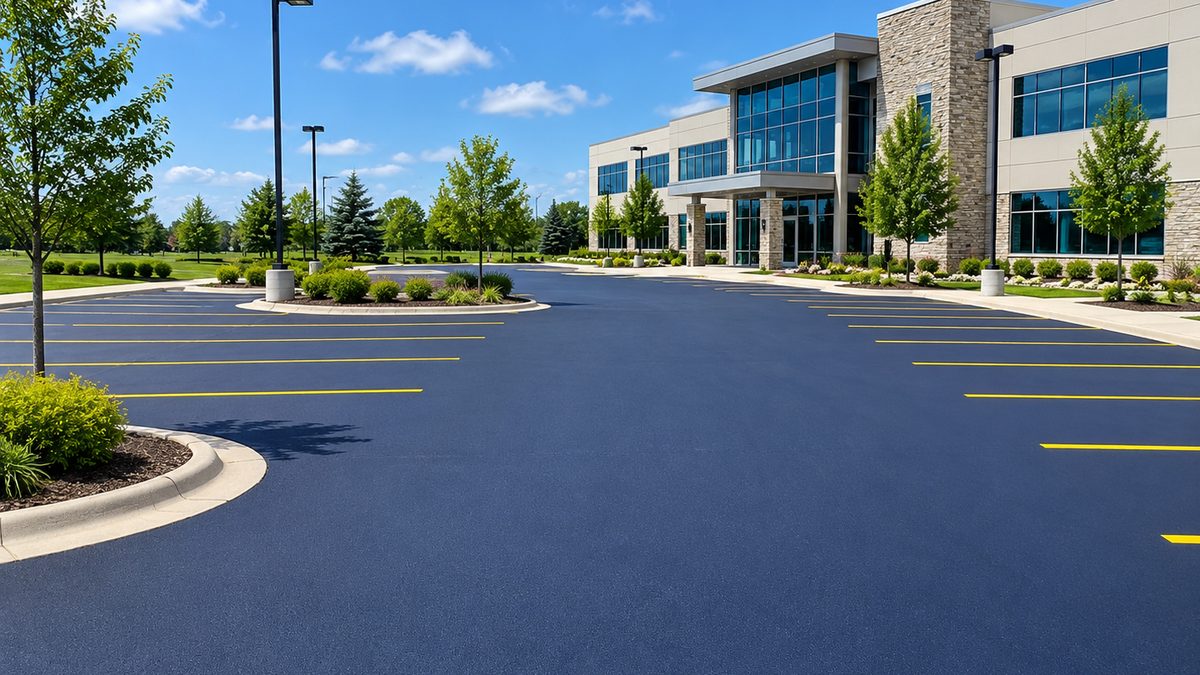
ADA parking requirements: how many accessible spaces a lot needs, their sizes, signs and aisles. We mark each ADA stall or symbol for $25 to $100. Request a free quote.
 Guides
How Often to Sealcoat a Parking Lot
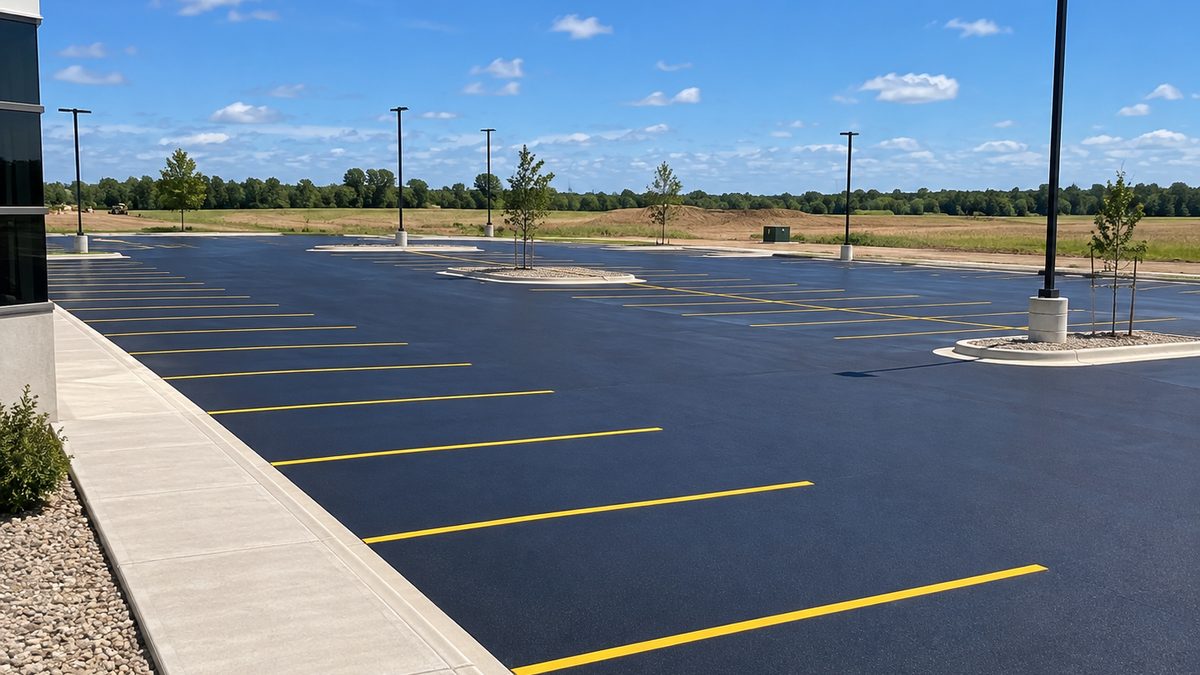
Reseal a parking lot when the surface turns gray, rough or cracked, not on a calendar. Our sealing runs $0.15 to $0.30 per sq ft. Request a free quote.
Guides Parking Lot Line Painting and Stenciling
What parking lot line painting covers: stall lines, arrows, stencils, colors and paint vs thermoplastic. We repaint lines for $4 to $5 per stall. Request a free quote.
Ready for a Free Quote?
Get a free, no-obligation quote for property in Mission and Hidalgo County, Texas.
Get Your Free QuoteOr call us directly: (919) 219-2946
Final scope, schedule, and pricing are confirmed after an on-site inspection and documented in the written project agreement.
Get a free quote for your lot
We seal, stripe and repair lots for churches, schools and shopping centers.